Managing fuel log discrepancies in marine tourism operations can quietly drain your operational budget before anyone spots the pattern. A charter catamaran returns to the dock after a busy full-day excursion, and the captain scribbles fuel hours, engine run times, and pump receipts onto a clipboard. By Friday afternoon, those smudged paper slips sit in a damp binder beside the fuel depot, waiting for someone in the office to reconcile totals against customer bookings. In the fast-paced marine excursion sector, this manual routine creates immediate blind spots that cost operators thousands in unrecovered charges, inaccurate slip billing, and unexpected fuel burn.
This disconnect happens because vessel operations, fuel pumps, and accounting systems run on separate islands. When dock hands record dispensed liters on whiteboards and office administrators type estimated averages into accounting spreadsheets days later, human error creeps in. Even minor handwriting mistakes or delayed entries obscure mechanical inefficiencies, unauthorized engine idling, or unbilled fuel surcharges on private charters. Regional marine operators face tight seasonal margins and fluctuating marine diesel prices, meaning that untracked discrepancies of just ten gallons per excursion compound quickly into severe budget shortfalls and stressful end-of-month reconciliations.
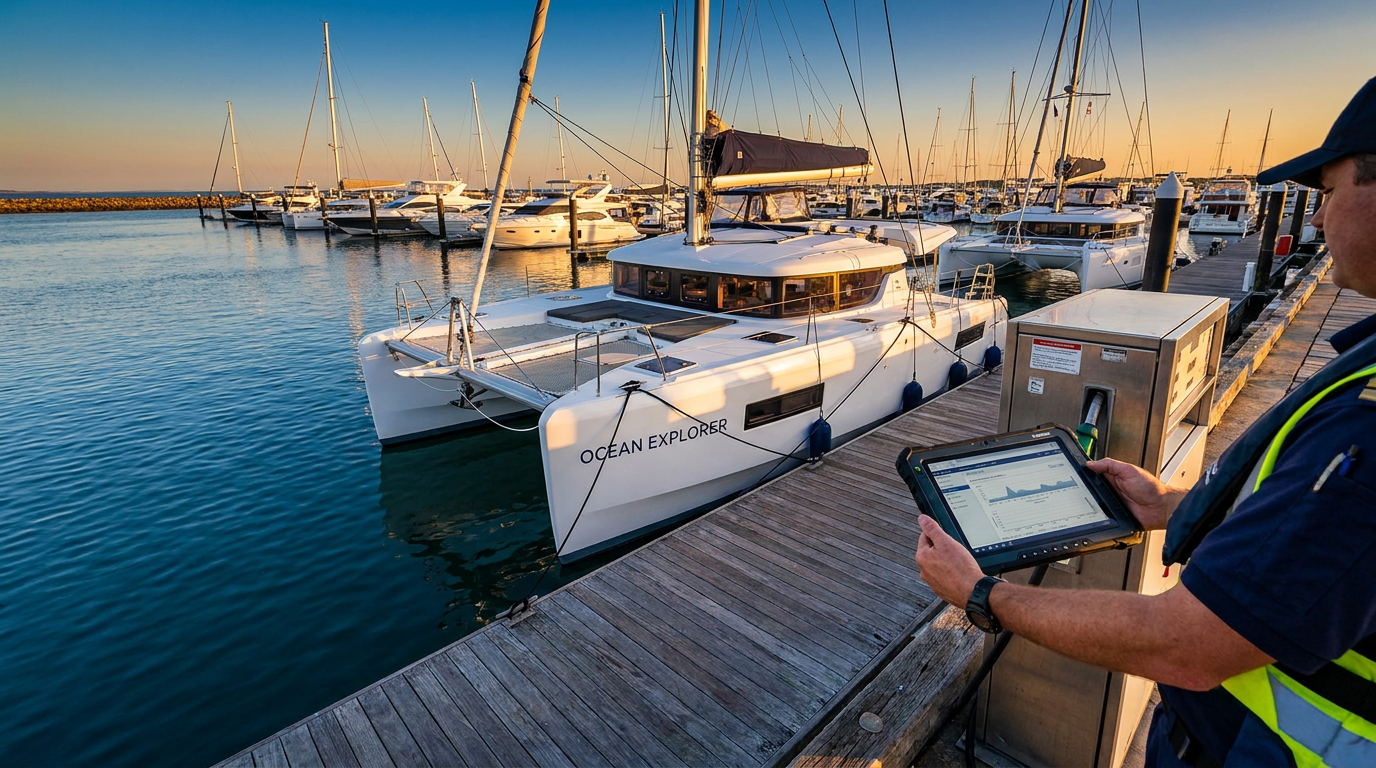
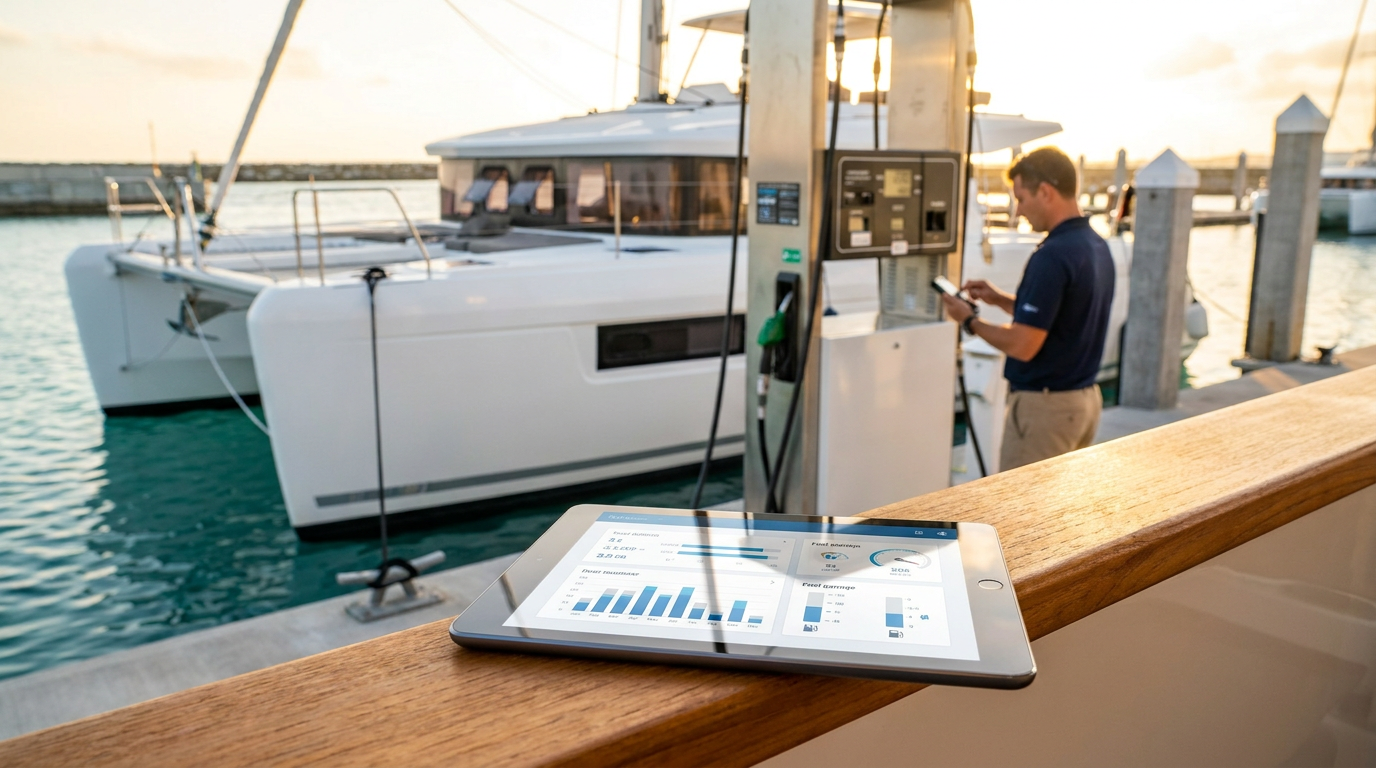
Eliminating fuel variance does not require tearing out your docks or replacing existing engines with expensive telemetry hardware. The solution begins with connecting your dockside intake directly to your financial back office using practical business process automation. By replacing manual paperwork with a centralized, mobile-responsive intake tool, dock personnel can log meter figures, engine hours, and vessel IDs in real time directly from any tablet or smartphone. Validations ensure no record gets submitted with missing slips, impossible numbers, or duplicate receipts, giving management immediate visibility over actual fuel burn across the entire fleet.
If you are not ready for a full digital overhaul, you can take practical steps today. Start by standardizing your paper intake logs to capture three mandatory data points at every fill: precise engine run hours, pump meter start and end numbers, and the corresponding charter reference code. Require a single supervisor to cross-check total daily pump dispensations against total logged vessel intakes each evening. This basic operational check quickly exposes inventory leakage, highlights discrepancies before slips go missing, and builds the disciplined operational foundation needed for custom software development down the road.
When you decide to eliminate manual entry permanently, specialized software solutions for small businesses turn fuel tracking into an automated, reliable routine. At Bailey’s Enterprise Software Solutions, we build custom internal tools, intuitive mobile entry interfaces, and secure API integration services that link dockside operations directly with your primary accounting and reservation software. Automated reconciliation reports alert managers to mechanical anomalies instantly, protect cash flow, and ensure your charter billing reflects exact operational costs. Schedule a conversation through https://www.baileysenterprisesoftwaresolutions.com/contact/ to streamline your fleet records and protect your operating margins.


