
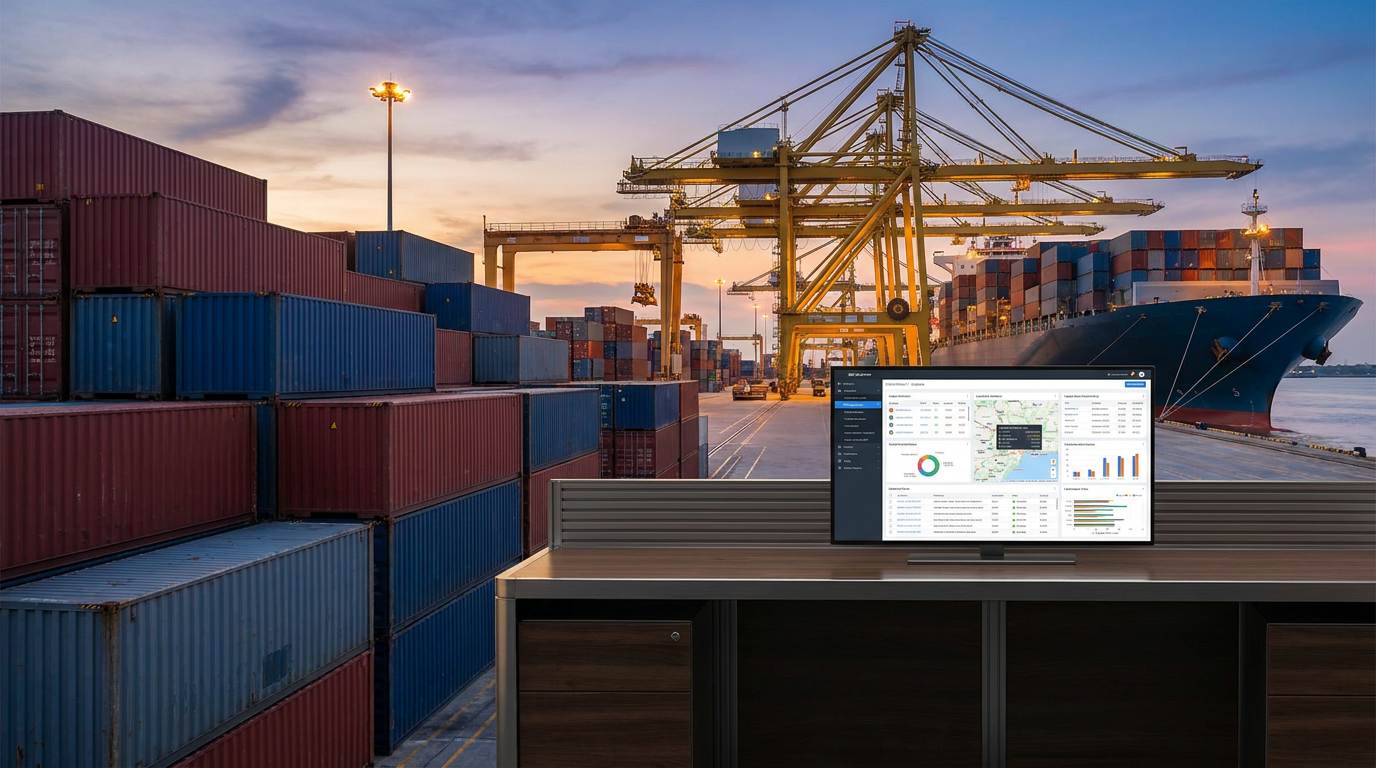
A container ship docks, cargo is cleared by customs, yet your operations desk spends hours answering anxious consignee calls while warehouse staff search frantically through email chains to locate release notes. This daily friction highlights a widespread problem: manual delivery order processing creates expensive delays for regional freight forwarders and port agencies. When port handlers rely on retyping printed delivery orders, detached emails, and manual phone verifications, processing times stretch from minutes into days. One misplaced release authorization leaves valuable containers sitting on the terminal apron, running up avoidable demurrage charges while your staff shoulder the stress of preventable administrative bottlenecks.
This breakdown happens because incoming cargo notices, bill of lading releases, and inland transport confirmations remain trapped in disconnected siloes. Operations teams often receive cargo manifests through carrier portals, confirm duty clearances via customs portals, and handle customer queries through separate inboxes. To issue a simple gate pass, clerks must manually cross-reference these disconnected sources, verify identity credentials, and manually type cargo details into local gate logs. When cargo volumes spike during busy shipping windows, tired clerks inevitably make transcription errors. These mistakes lead to delayed container releases, frustrating long-standing commercial clients, tying up warehouse bays, and wasting billable hours on repetitive administrative firefighting.
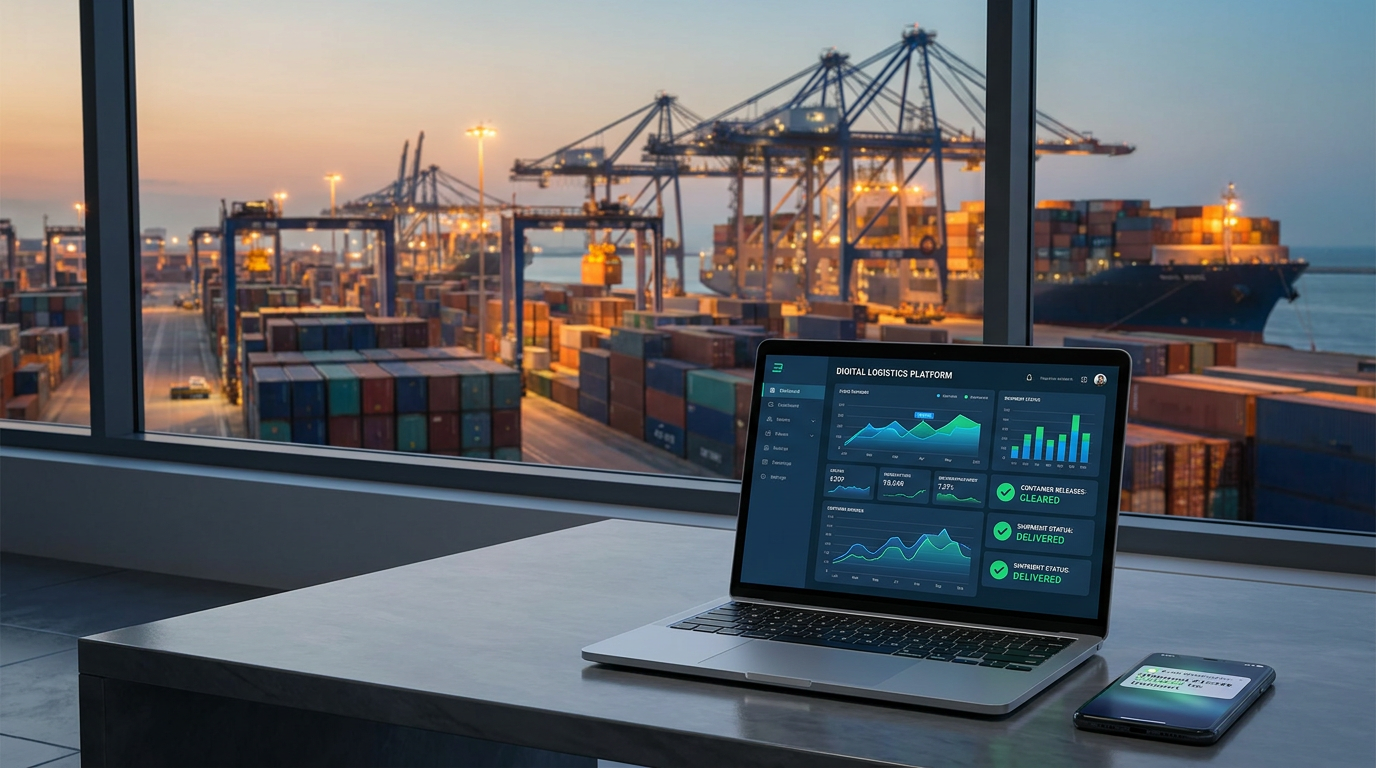
The financial impact extends well beyond daily operational headaches. Consignees face compounding storage fees, while your brokerage absorbs costly detention penalties from ocean carriers when turnaround windows lapse. Furthermore, unverified paper passes introduce real security liabilities, leaving operations vulnerable to fraudulent collections or disputed cargo releases. Solving this challenge does not require scrapping existing platforms or buying rigid enterprise software. Practical workflow automation can unify your verification steps into one automated sequence, connecting your carrier updates, payment confirmations, and terminal clearance logs so that release authorizations flow directly to warehouse personnel the moment accounts clear.
To streamline these handoffs immediately, map your current release sequence from initial manifest receipt to final gate departure. Identify every manual touchpoint where a staff member prints an attachment, copies a container number, or sends an internal status update. Establish a standardized digital intake folder with uniform naming conventions for all incoming sea waybills and payment receipts. This straightforward adjustment immediately reduces filing mistakes and organizes critical documents for future system integration. Once these intake steps are consistent, you can introduce custom internal tools that validate commercial releases automatically, link customer payments directly with operational files, and trigger immediate notifications to dispatchers without manual intervention.
Eliminating manual handoffs protects your operating margins, protects your commercial reputation, and keeps Caribbean cargo moving smoothly without unnecessary wharf delays. If you are ready to modernize your release pipeline and eliminate terminal friction, let us explore how custom software development can simplify your daily logistics. Please visit https://www.baileysenterprisesoftwaresolutions.com/contact/ to schedule a conversation about tailoring practical automation tools to your logistics business.


