

Ever felt like your production line is running on two different clocks? You see your raw materials arrive, but then they sit, waiting for someone to manually enter them into inventory. Or perhaps your finely crafted products are ready to ship, but the invoicing process takes days longer than it should because data needs to be copied from one system to another. This disconnect isn’t just frustrating; it’s a silent thief, stealing your time, money, and customer satisfaction.
This common problem stems from disparate systems that don’t talk to each other. In light manufacturing and craft production, it often looks like manual data entry between inventory management, production scheduling, sales orders, and accounting. Maybe you’re tracking raw materials in a spreadsheet, processing orders through an e-commerce platform, and handling invoices in completely separate software. Each manual transfer of information introduces delays, creates opportunities for human error, and requires staff to spend valuable time on repetitive, non-productive tasks. This overhead directly impacts your bottom line through increased labor costs, wasted materials from incorrect orders, and frustrated customers due to slow fulfillment.
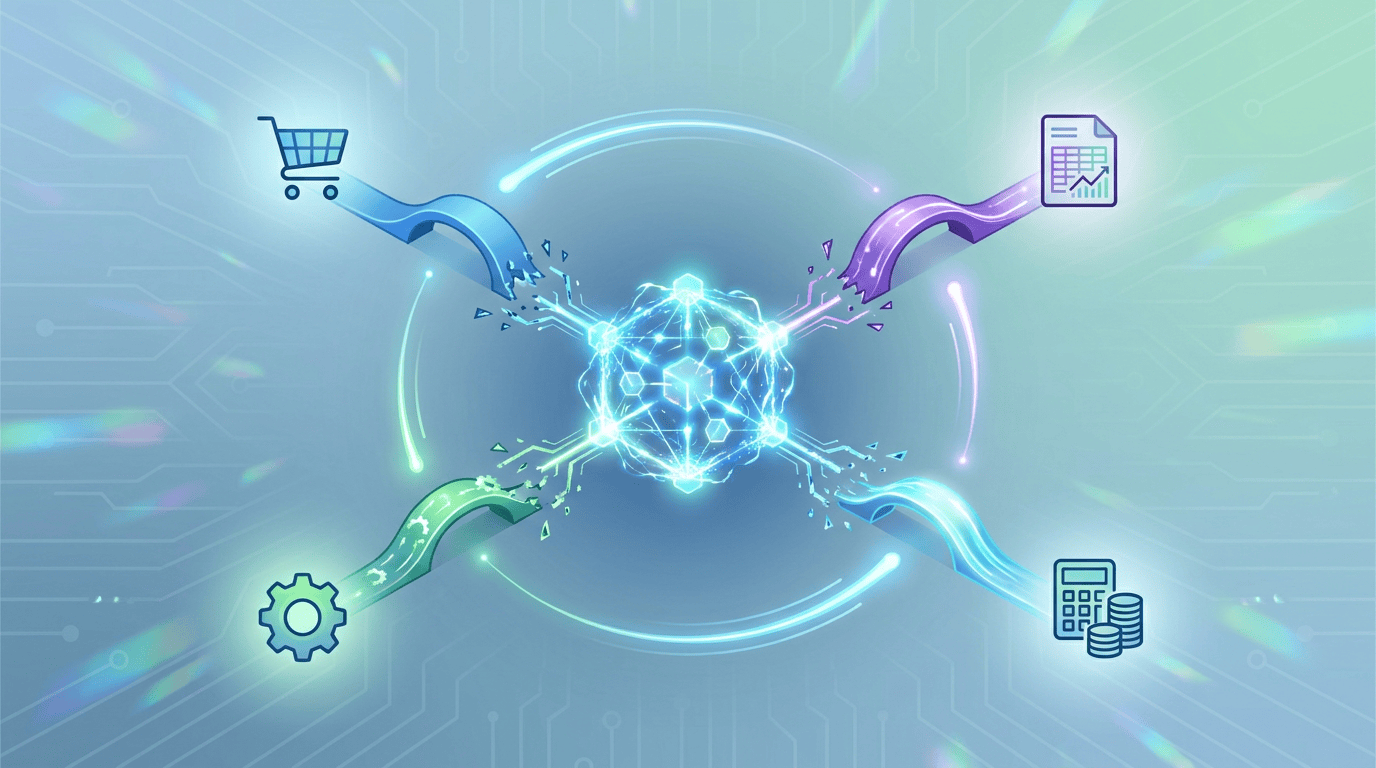
The true cost goes beyond just labor. Imagine a customer service representative trying to track an order but needing to check three different systems to get a complete picture. Or a production manager struggling to forecast demand because sales data isn’t synchronized with inventory levels in real-time. This lack of a unified data flow slows decision-making, makes accurate reporting a nightmare, and can even contribute to security vulnerabilities if sensitive information is being handled in unsecured, fragmented ways. Businesses aiming for growth can quickly find themselves bottlenecked by these operational inefficiencies, especially as order volumes increase.
Solving this doesn’t always require a complete overhaul. Start by identifying the most critical data bridges. Which two systems, when connected, would yield the biggest immediate improvement? It could be integrating your e-commerce platform directly with your inventory system, so stock levels update automatically with sales. Or connecting your production planning to your raw material procurement. Many modern platforms offer built-in APIs (Application Programming Interfaces) that allow them to communicate. Even if you’re not ready for a full custom integration, begin by documenting your processes. Map out exactly where data originates, where it goes, and where manual intervention occurs. This clarity alone can reveal simpler solutions.
Once you understand your data flow, you can explore options. Even small steps, like automating data transfers between two key systems, can dramatically reduce errors and free up staff. This initial mapping and process documentation is a low-cost, high-impact first step. It prepares you for more comprehensive solutions, like custom interfaces or tailored software applications that connect your entire ecosystem, from online payments to production. These solutions are not just about technology; they’re about streamlining your unique business processes for efficiency and growth.
Ready to bridge the data gaps holding your business back? Schedule a conversation today at https://www.baileysenterprisesoftwaresolutions.com/contact/.