

How many patient calls get dropped, voicemails go unreturned, or follow-up tasks get missed because information is scattered across sticky notes, personal calendars, and disparate spreadsheets? It’s a common, often overlooked reality in many healthcare practices, particularly smaller and mid-sized clinics. When a patient calls about a prescription refill, and their medical history is in one system, billing in another, and the doctor’s availability in a third, the simple act of providing an answer becomes a frustrating chase. This fractured approach doesn’t just annoy patients; it creates significant operational drag, increases the risk of errors, and adds to staff burnout.
The core of this problem lies in fragmented communication and data silos. Staff spend valuable time logging into multiple systems, re-entering data, or physically walking between offices to retrieve patient information. This inefficiency directly impacts patient satisfaction, as wait times increase and inconsistencies arise. For management, it’s a black hole for productivity and a major barrier to generating accurate reports on patient flow, service delivery, or even revenue. Critical activities, like scheduling follow-up appointments or processing referrals, become error-prone endeavors that erode trust and can lead to lost revenue from missed appointments or unbilled services.
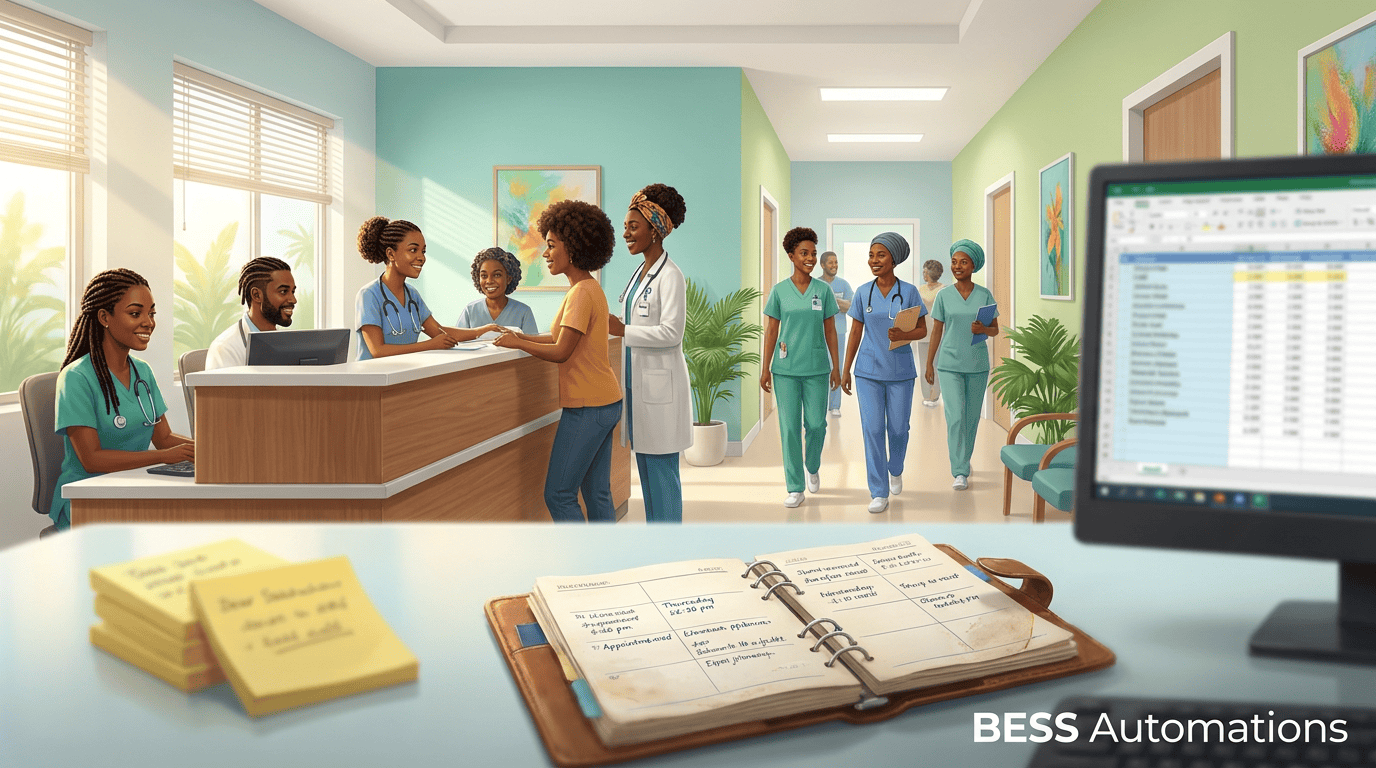
Solving this doesn’t always require an immediate, massive overhaul. Start by identifying the most common patient interaction workflows that suffer from information gaps. Map out the steps, noting where staff currently access data and where bottlenecks occur. Where are staff manually transferring information? Where are important details being written down outside of an official system? A practical first step can be to centralize communication records. For instance, using a shared internal messaging system or a simple, secure database to log patient inquiries, actions taken, and next steps related to each patient interaction can provide a single source of truth for the entire team.
Once you have a clearer picture of your internal data flow, explore integrating existing systems. Many modern practice management software solutions offer APIs that allow them to connect with other applications, even older ones. This can automate data transfer between your scheduling, billing, and electronic health record (EHR) systems, eliminating manual data entry and reducing errors. Even a phased approach, perhaps linking just two critical systems first, can yield significant improvements. Such integrations streamline operations, free up staff time, and provide decision-makers with a consolidated view of their practice’s performance, moving beyond anecdotal experiences to data-driven insights.
Don’t let fragmented systems continue to be a silent drain on your practice. Take the first step toward a more integrated and efficient operation. Let’s discuss how we can help clarify your current processes and identify practical improvements. Schedule a conversation today: https://www.baileysenterprisesoftwaresolutions.com/contact/.